Where Does Pasta Come From?
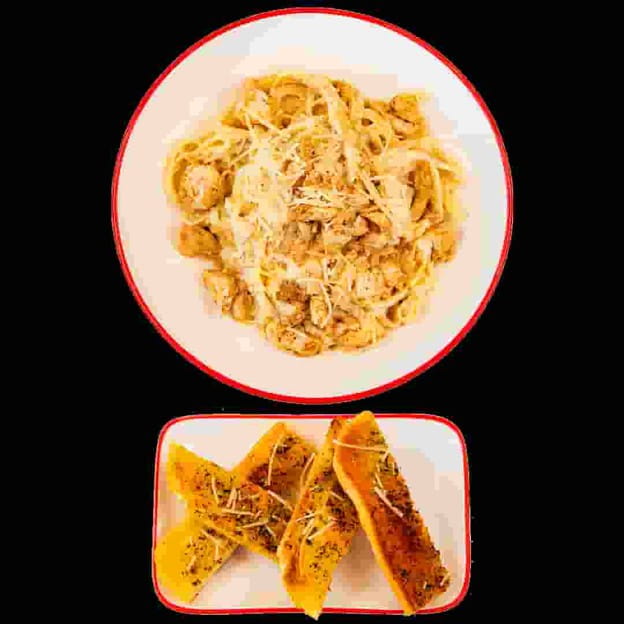
Pasta is one of the most popular dishes around the world. Have you ever been twirling your fork around spaghetti and wondering where does pasta come from?
Authentic pasta doesn’t come out of a box from your local grocery store. The origins of pasta are complicated but fascinating in how one of the world’s most beloved dishes spread throughout the globe.
At Napoli Pizza in Las Vegas, we honor that history with our authentic Italian recipes and hand-made pasta that is made fresh daily.
Where Did Pasta Originate?
So, where does pasta originate from? Some people say Italy, while others say China. There is even a popular myth where Marco Polo introduced pasta to Italy when he returned from China.
The answer is more complicated:
- Ancient China developed noodles as early as 2000 BCE.
- Italian pasta evolved independently in the Mediterranean through the Greeks, Arabs, and Etruscans.
- Ancient Greeks had a pasta dish called laganon, and the Romans had one called laganum. Both were wide sheets of dough that were fried, and these are considered the original of lasagna.
- Etruscan artifacts from the 4th century BCE include various tools used to roll and cut pasta, very similar to the ones we use today.
- Arab nomadic tribes had a dried pasta called itriyya that they introduced to Sicily in the 9th century.
How Did Pasta Become Popular In Italian Cuisine?
The evolution of pasta in Italian cuisine has an interesting history. Sicily’s climate and abundant durum wheat crops created the perfect setting for making pasta. They also applied the drying methods the Arabs taught them, making it possible to store pasta for long periods, as well as to “export” it to the mainland.
In the 1600s, there was a severe famine and economic crisis, making it difficult to afford meat. However, eggs and flour were abundant and cheap, leading more families to learn how to make pasta.
In the late 1700s, tomatoes from the New World had slowly spread throughout Europe and had reached Italy. This led to the creation of tomato sauces, which were combined with various types of pasta.
What Are The Different Types Of Traditional Pasta?
Traditional Italian pasta types are categorized by their shape, production method, and dough composition.
With over 300 recognized forms of pasta, these are the most common ones:
- Long and thin pastas: Spaghetti, linguine, and capellini
- Short tubular pastas: Ziti, rigatoni, and penne
- Stuffed pastas: Ravioli and tortellini
- Flat ribbon pastas: Fettuccine, tagliatelle, and pappardelle
- Sheet pasta: Lasagna
How Is Authentic Italian Pasta Made?
Traditional fresh pasta starts with two ingredients: flour and eggs in the north or flour and water in the south.
- Dough is made using semolina flour or “00” flour, depending on the region, and mixed with eggs or water.
- Pasta must be kneaded by hand until it becomes smooth and elastic.
- The dough is wrapped and must rest for at least 30 minutes at room temperature.
- The dough is rolled out to the desired thickness and cut into the desired shapes.
- The pasta can then be cooked immediately or dried and stored for later use.
What Makes Italian Cuisine And Pasta Traditions Unique?
Unlike cuisines that layer complexity, Italian cooking trusts a handful of quality ingredients to carry the dish. As pasta spread throughout Italy, regional pasta makers began developing distinct shapes tied to local sauces and cooking traditions.
This is why various regions in the country, even to this day, have different pastas and sauces. What you find in Naples will be different from what you find in Rome or Bologna, similar to pizza.
How Does Napoli Pizza Celebrate Authentic Italian Flavors And Traditions?
At Napoli Pizza & Restaurant, we follow generations-old methods and recipes to make handmade pasta fresh daily at all three of our Las Vegas locations. We also rely on locally sourced fresh ingredients to make our homemade sauces.
Our menus are deeply rooted in our family’s Italian history. Whether you are dining in, ordering takeout or delivery, or booking catering for an event, we bring the real history of pasta to your table, with no shortcuts or compromises.