The History Of Pasta: A Look At Its Origins And Evolution
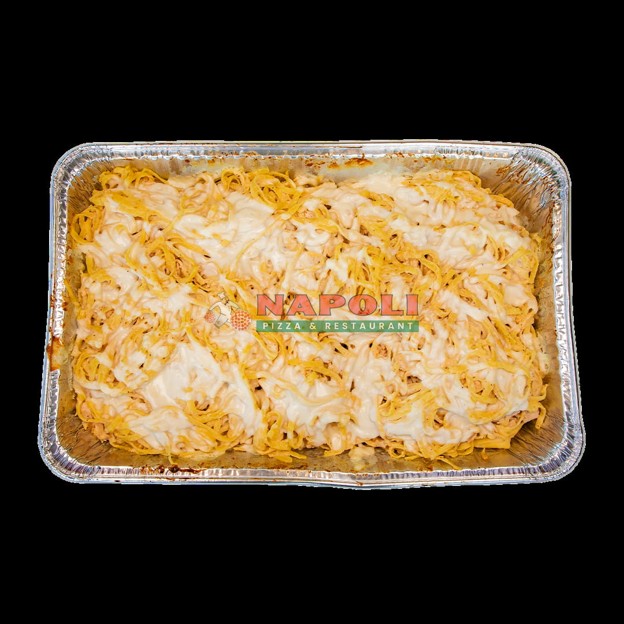
From spaghetti and linguine to pappardelle and capellini, there are many different types of pasta. Pasta also comes in shapes, twists, hollows, and tubes, and certain types are stuffed, like ravioli or tortellini.
Have you ever wondered how pasta was created and how it has evolved? Let’s look back at the history of pasta and explore these and other interesting pasta facts.
Where Did Pasta Originate?
The earliest pasta origin dates back to ancient China around 2000 BCE. However, these noodles were made from millet grass, not wheat.
What Is The History Of Pasta In Italy?
In the Mediterranean, the history of pasta began around the 1st Century CE. Romans created laganae, wide strips of dough made with water and wheat. They were baked or fried, not boiled, making them the precursor to lasagna.
In Sicily, Arab traders between the 9th and 12th centuries introduced a dried, hard-wheat noodle they called itriyya. Since it was dried, it lasted a long time and only required boiling it in water to soften it up.
By the 17th century, in Southern Italy, mass production of pasta started to take place. Neapolitans also invented mechanical presses and extruders, making it possible to make large batches of pasta quickly and easily.
How Did Pasta Become Associated With Italian Cuisine?
Tomato sauces were created in the Americas, not Italy. In the late 18th century, people began importing sauces. Italian cooks started pairing these sauces and creating their own, which laid the foundation for the classic dishes we enjoy today.
Southern Italy’s climate set the stage for growing wheat and drying pasta. They made pasta using durum wheat and water.
In Northern Italy, they didn’t have the luxury of the south to mass-produce and dry pasta. Instead, they made fresh pasta using wheat flour and eggs, which led to the creation of tagliatelle and stuffed variations.
Did Marco Polo Really Bring Pasta To Italy?
The story of Marco Polo bringing pasta back from China is purely a myth fabricated by The Macaroni Journal in 1929 to get Americans to eat more pasta. Marco Polo left for China in the 13th century, four centuries after Arab traders had already brought pasta to Italy.
How Has Pasta Evolved Over Time?
Pasta was initially made fresh and consumed immediately. With the invention of drying and mass production, it could be preserved longer. By the late 18th century, pasta gradually became more common. In the 19th century, you could easily find Italian restaurants offering a range of classic sauces and pasta combinations we enjoy today.
Modern times have seen changes that have made it more accessible to everyone, including gluten-free pastas. Some recipes also skip boiling, like no-boil lasagna noodles. Others shorten boiling time to meet the fast cook demands of families on the go.
What Are Some Traditional Types Of Italian Pasta?
Some traditional types of Italian pasta include the following:
- Tagliatelle
- Tortellini
- Rigatoni
- Spaghetti
- Linguine
- Trofie
- Pici
- Orecchiette
- Bucatini
- Cavatelli
What Ingredients Are Traditionally Used To Make Pasta?
Two ingredients are needed to make both dried and fresh pasta:
- Dried pasta: Water and durum wheat flour (semolina).
- Fresh pasta: Whole eggs/egg yolks and 00 flour.
How Do Different Regions Of Italy Prepare Pasta?
Northern Italy tends to feature more fresh pasta dishes paired with slow-simmered bolognese sauces or simple brown butter sauces, finished with grated Parmigiano Reggiano. The North also is where you will find classic lasagna dishes. Southern Italy leans more on fresh seafood and olive oil. A popular dish is cooking pasta al dente, tossing it with olive oil, and adding fresh tomatoes.
What Makes Traditional Italian Pasta Unique?
In Italian cuisine, pasta is always considered the star of the dish, unlike in America, where it is buried under tons of sauce. Traditional Italian pasta uses sauce sparingly to let the pasta’s flavor come through. Italy also has strict food laws regulating pasta production.
How Does Napoli Pizza Bring Italian Culinary Traditions To Las Vegas?
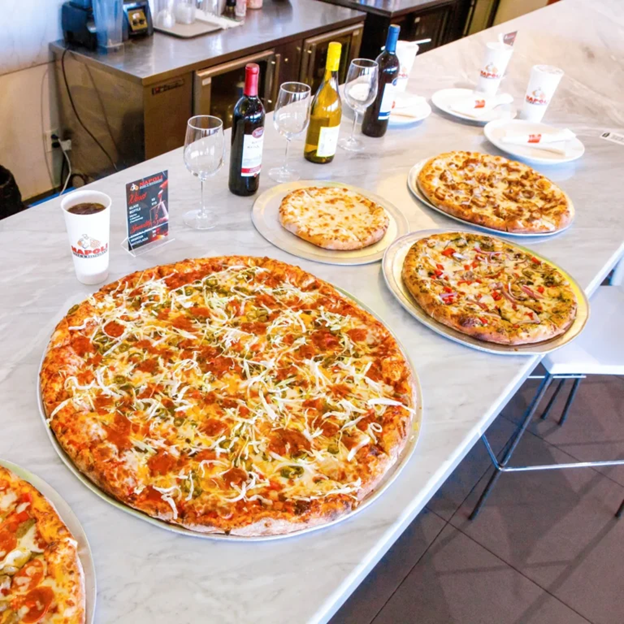
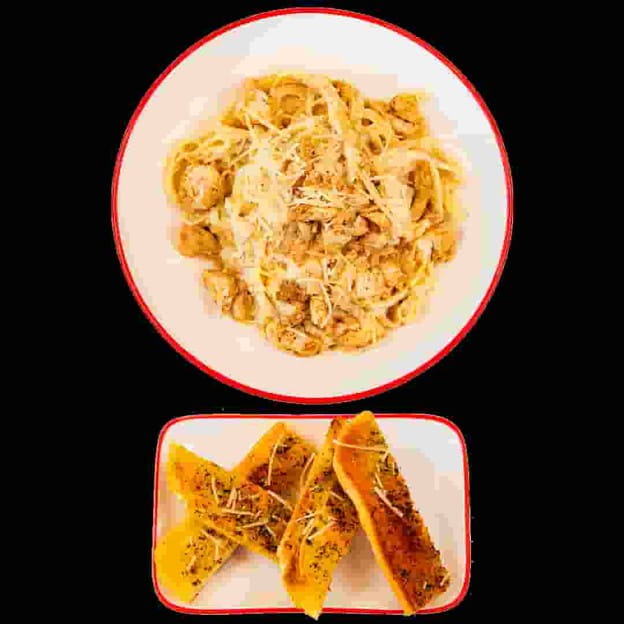
Napoli’s Pizza is family-owned and operated. We use traditional Italian recipes passed down through generations with time-honored cooking techniques. We also combine fresh ingredients with our pasta dishes and make fresh pizza dough daily. Lastly, we honor the classics with handmade pastas, slow dough fermentation, and slow-simmered, house-made marinara sauce.
Discover the difference Italian culinary traditions can make by visiting one of our three Las Vegas locations.